
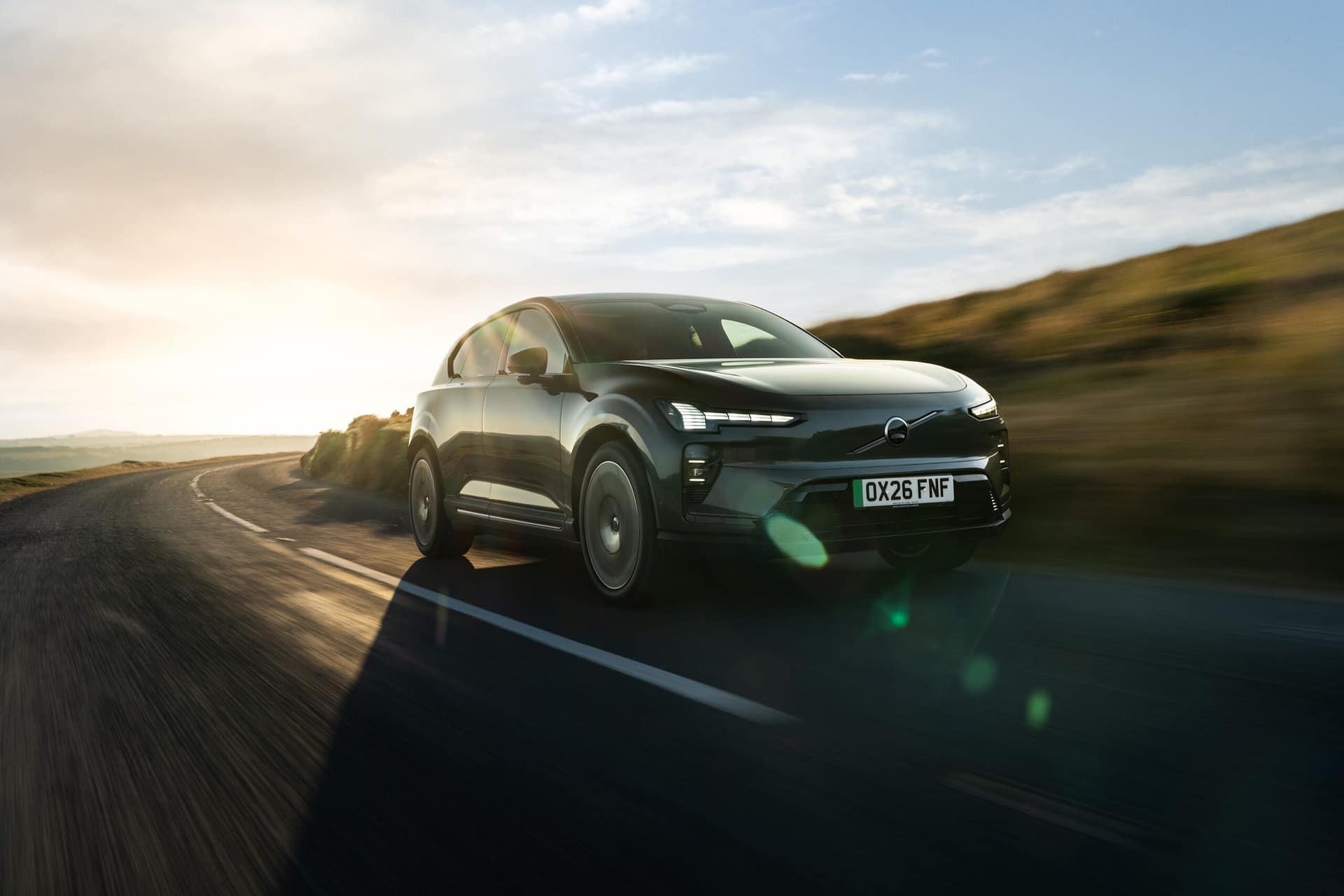
There has been no shortage of electric cars claiming to be “game-changing” of late, what with the latest BMW iX3 “Neue Klasse’ flaunting its all-new platform, fancy Heart of Joy computer system and ridiculously long electric range.
Hyundai’s Ioniq 6N has also been pushing the electric performance envelope and the likes of Renault’s loveable Twingo and the Honda Super-N have injected some serious fun into the woefully undeserved small electric vehicle sector.
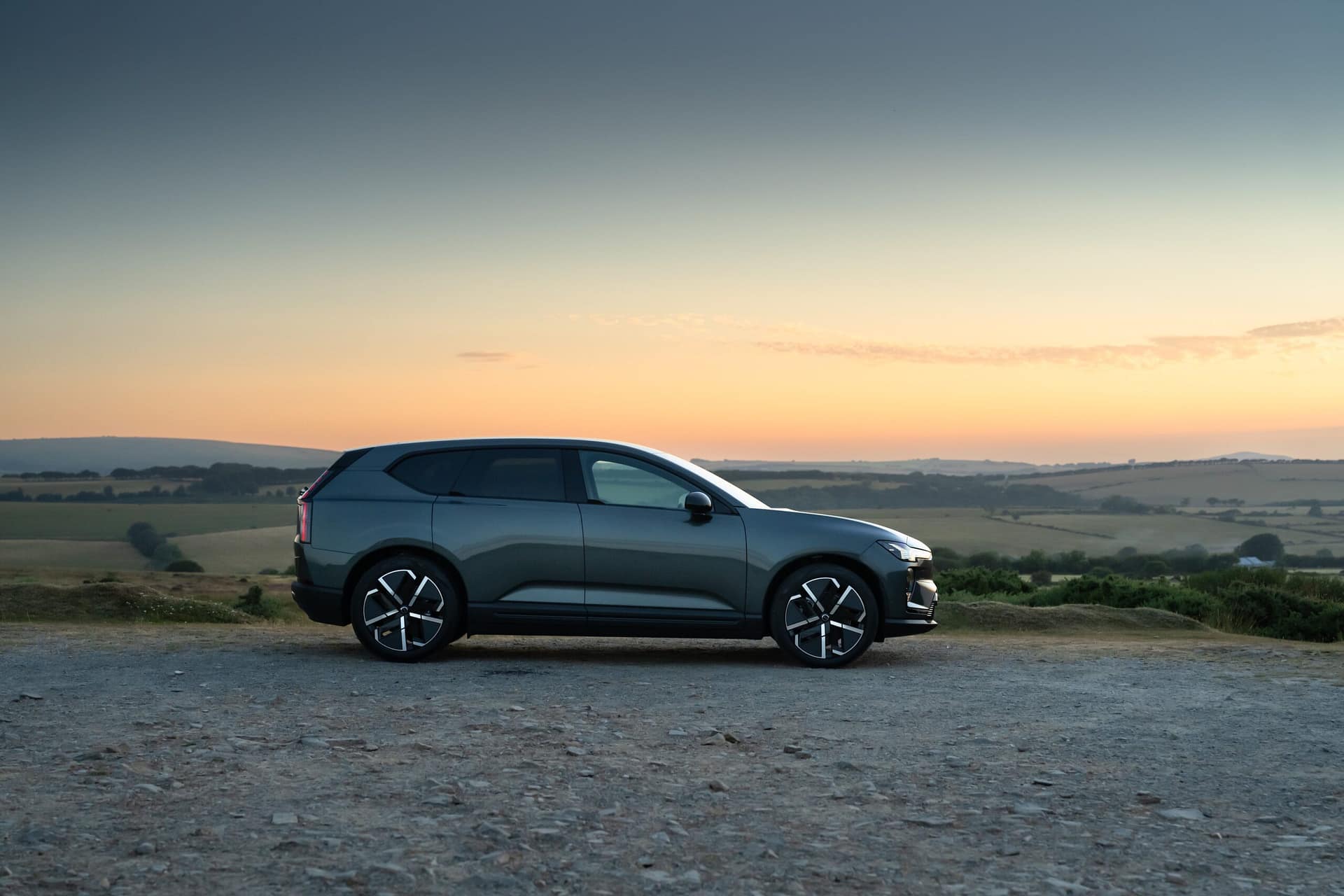
The Volvo EX60 is also one that has made bold claims in the past, with the marque’s President and CEO, Hakan Samuelsson, exclaiming “good luck to the rest of you” in a cheeky taunt to Ford, Volkswagen and others during the car’s glamorous unveiling.
There’s no getting away form the size of shoes this vehicle has to fill: the EX60 is the electric successor to Volvo’s hugely successful XC60, after all. But describing it as an electric version of that car rather undersells what the Swedish marque has achieved here.
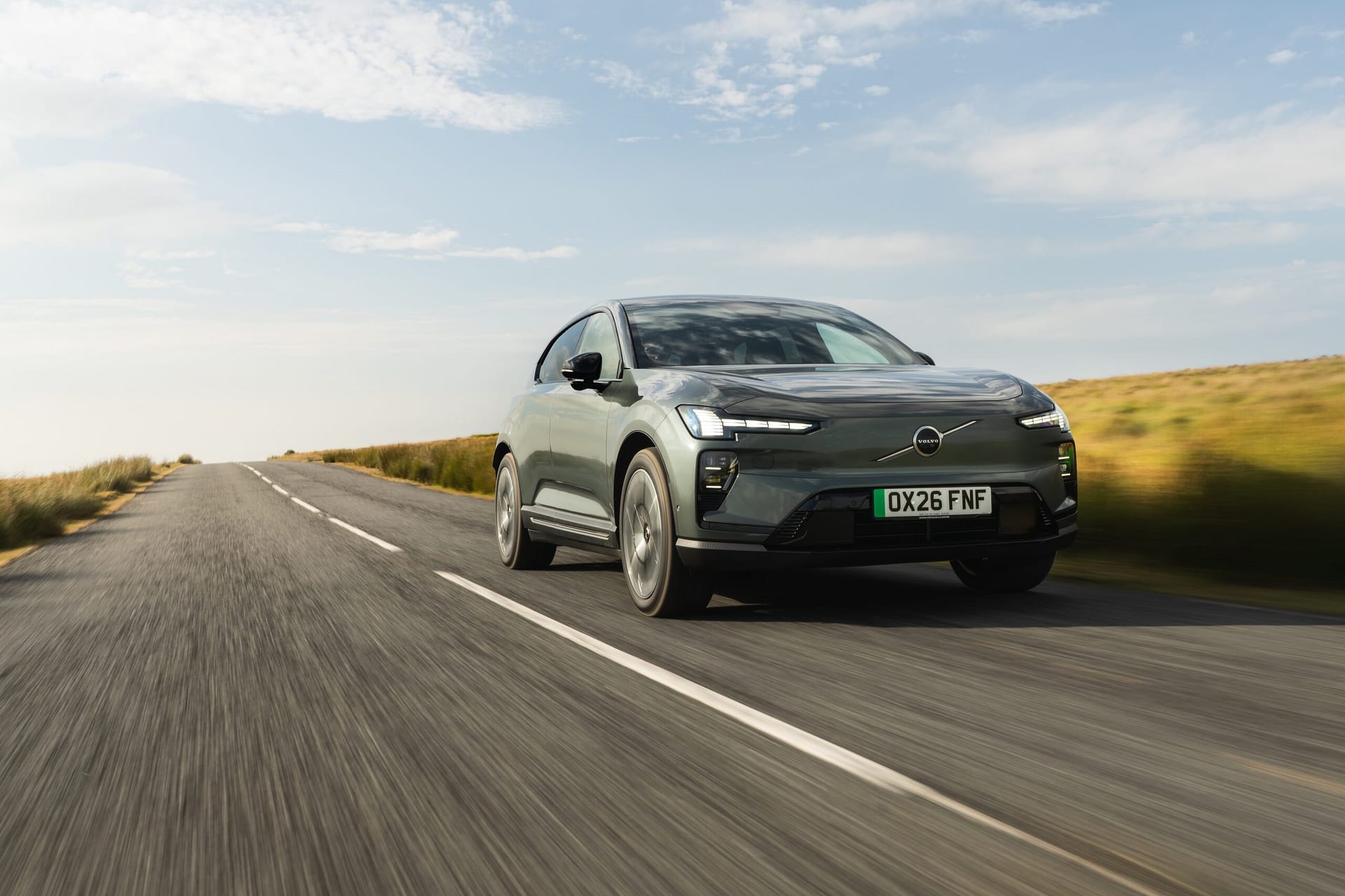
The EX60 is built from the ground up on Volvo’s new SPA3 electric architecture and brings with it a completely new approach to batteries, computing, safety and connectivity. It also happens to be a seriously good family car.
The version I drove was the EX60 P10 AWD, which sits in the middle of the three-powertrain lineup.
“Describing it as an electric version of XC60 rather undersells what the Swedish marque has achieved here”
It uses a 95kWh battery and twin electric motors to produce up to 510hp and 710Nm of torque, enough to propel this sizeable SUV from 0-62mph in just 4.6 seconds. Volvo quotes up to 410 miles of WLTP range, while an 800V electrical system means the battery can charge from 10-80% in as little as 16 minutes using a sufficiently powerful DC charger.

Later this year, Volvo will bring online the range-topping P12 version, which uses the same all-wheel-drive set-up but mates it to an even larger battery pack, meaning the car can’t those heading 500-mile range figures.
Comfort is king
Volvo has never been particularly interested in turning its family SUVs into giant go-karts and the EX60 follows that philosophy.
Where something like the latest BMW iX3 places greater emphasis on handling and driver involvement, the Volvo is much more interested in getting everyone to the destination feeling as fresh as they did when they left.
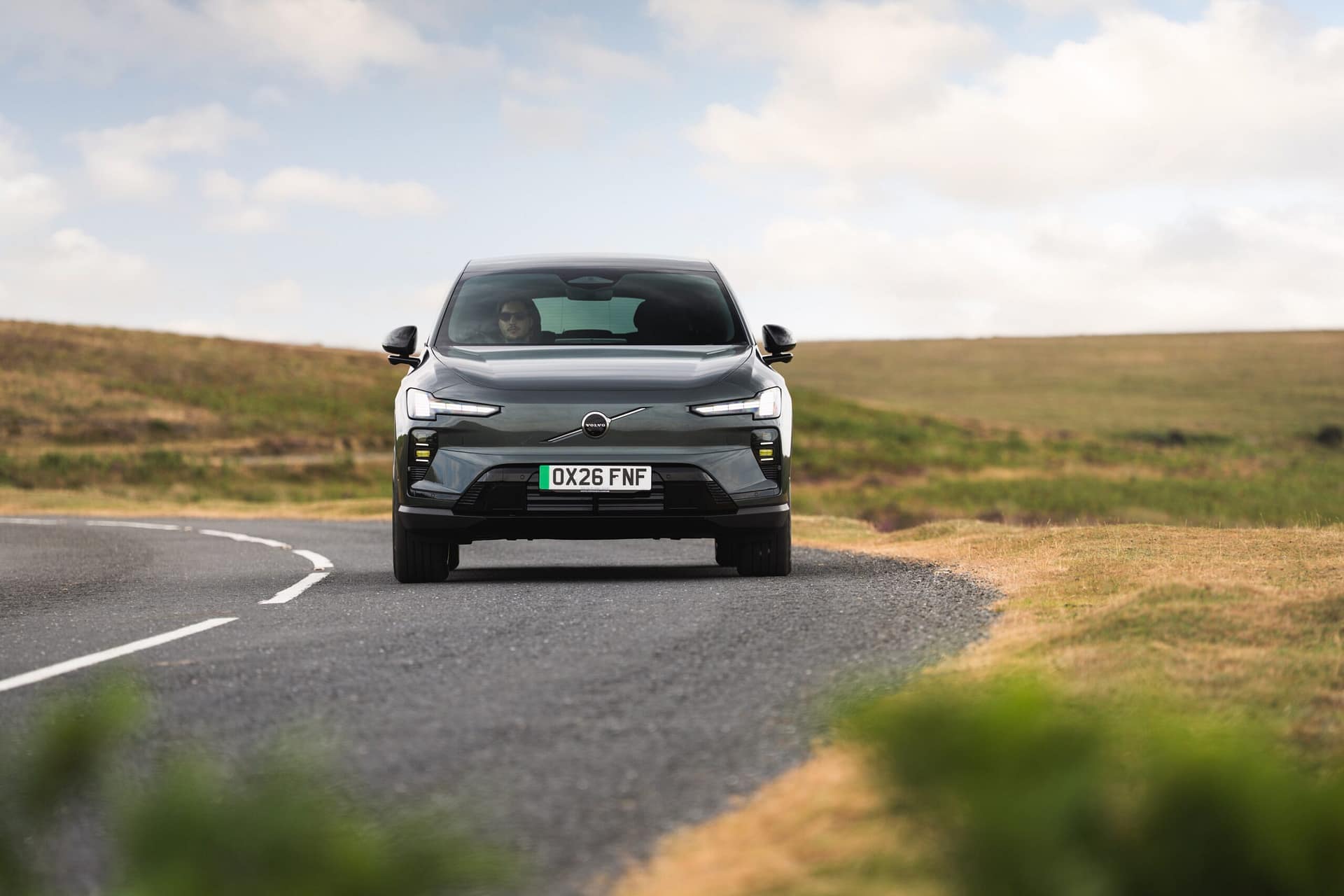
The cabin is bright, airy and unmistakably Scandinavian, with clean surfaces and a general lack of visual clutter. More importantly, the seats are superb.
I’ve driven plenty of premium SUVs that promise to make long journeys a refreshing joy, but the EX60 genuinely delivers on it. The seats are supportive without being overly firm and there’s a wonderfully relaxed driving position that makes it very easy to settle into the car.
“It uses a 95kWh battery and twin electric motors to produce up to 510hp and 710Nm of torque”
It is also exceptionally quiet. The electric powertrain obviously helps here, but Volvo has gone considerably further than simply removing an engine from the equation.
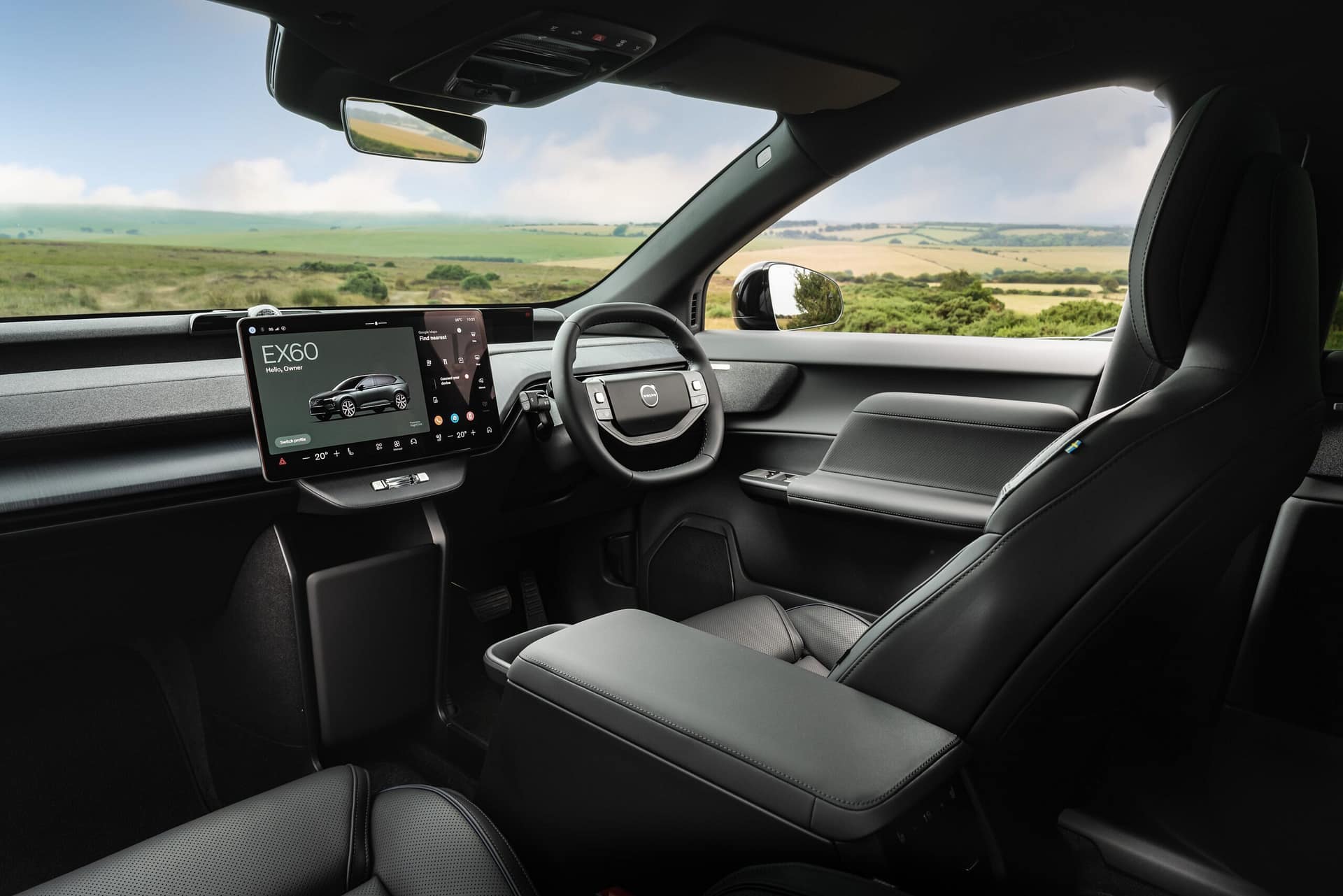
The EX60 has a flat underbody, flush glazing, acoustic treatments and extensive sound insulation, while active noise cancellation helps keep unwanted frequencies out of the cabin. The result is a car that feels more expensive than it actually is when cruising along a motorway.
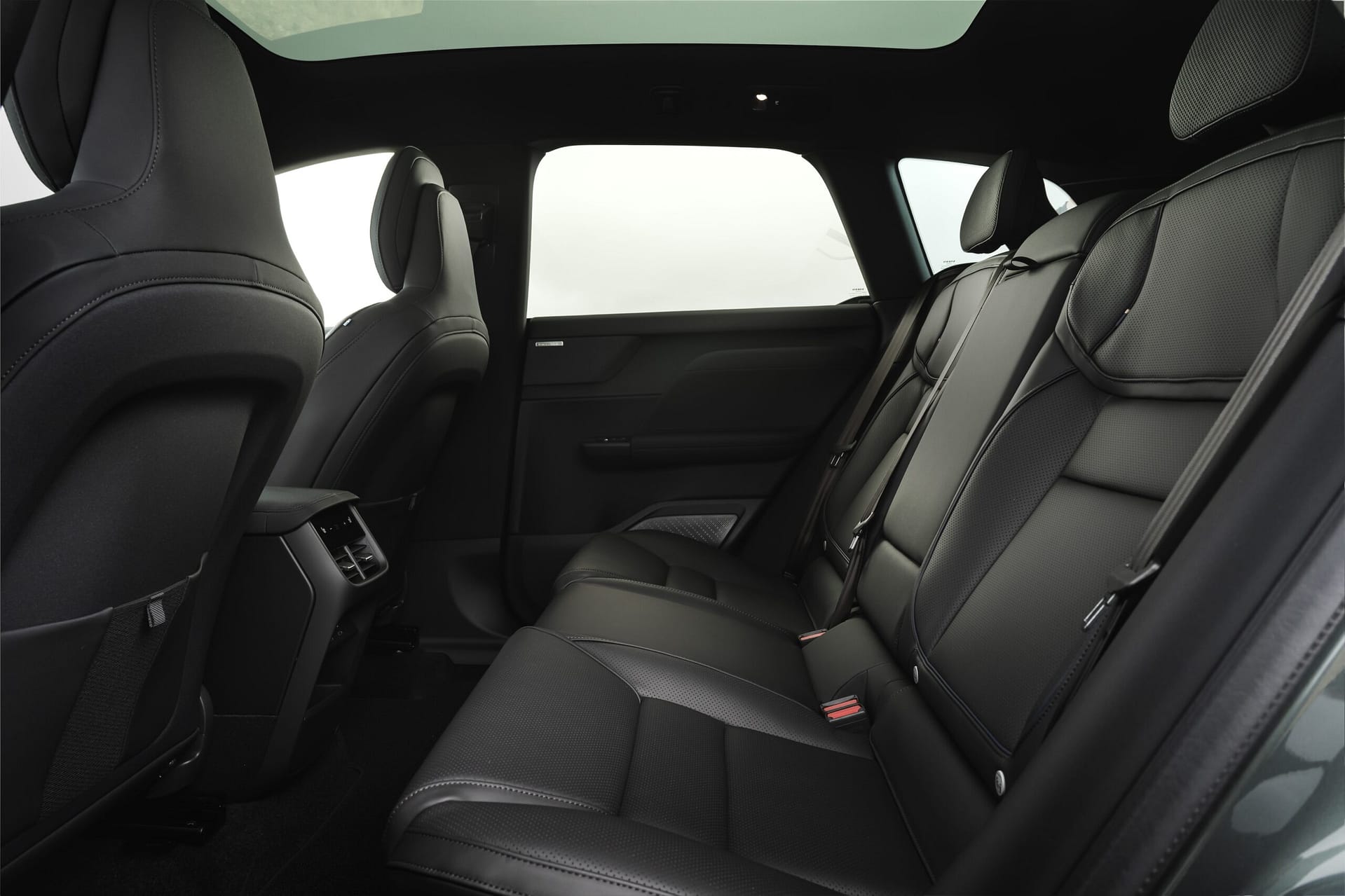
There is also plenty of room for passengers, with the five-seat layout offering bags of space for those seated in the cavernous front and generous rear quarters. Ok, so it’s not quite as spacious as the EX90, but that thing is enormous.
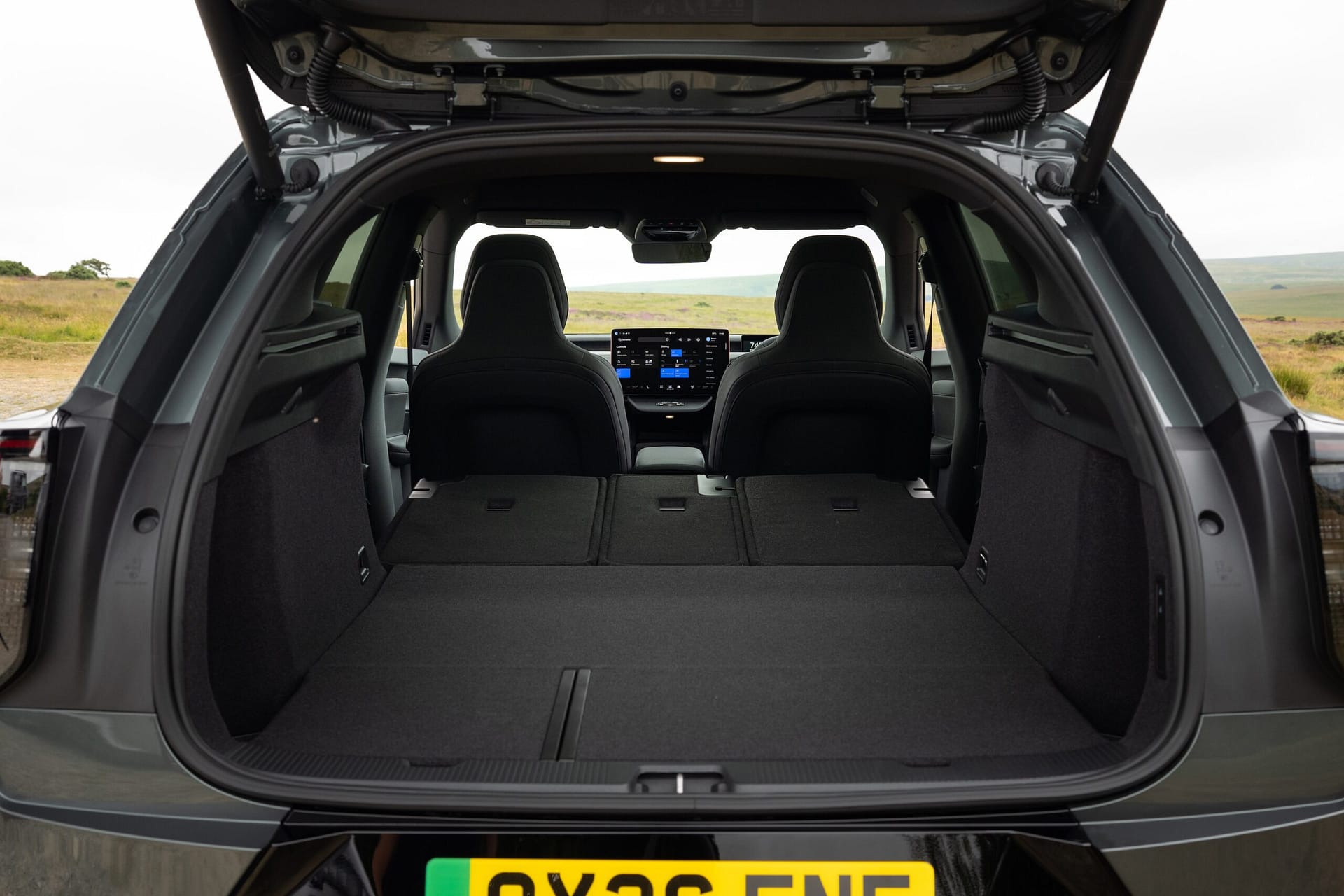
Here, the boot offers up to 1,647 litres of cargo space with the rear seats folded, according to Volvo, and there is the sort of general storage flexibility you’d expect from a vehicle intended to replace the XC60.
It feels like Volvo has remembered that people actually have to live with these things, so has added split-folding boot floors for stashing smaller packs without eating into load space.
Cast your eyes across the boot lid and you’ll see a handy guide to the items that can be packed inside the load space and the best ay to arrange them. Handy.
Range without the anxiety
One of the biggest barriers to EV ownership isn’t necessarily the official WLTP range figure, but the mental arithmetic that goes with it. You know the salesman said 300 miles, but you also know that cold weather, aggressive acceleration, chunky passengers and long stretches on the motorway turn that into something considerably less useful.
“A spontaneous detour doesn’t immediately trigger a frantic search for the nearest rapid charger”
The P10 I drove has a 95kWh battery and an official range of up to 410 miles. The sheer size of the buffer changes the way you think about driving. A 400-mile-plus family EV means that long journeys can start to feel much more like journeys in a petrol car.

You don’t necessarily need to plan the entire trip around charging infrastructure, and a spontaneous detour doesn’t immediately trigger a frantic search for the nearest rapid charger.
The P10 is also impressively efficient for something this large and heavy. Volvo’s official figure is 26.1kWh/100 miles (or 3.83 miles per kWh), and even thrashing it around the country roads of Somerset suggested returned around 3.5 miles per kWh.
But when it comes time to stop, the EX60’s 800V architecture allows the P10 to go from 10-80% in around 16 minutes under the right conditions, while Volvo says a 400kW DC charger can add up to 211 miles of range in 10 minutes.
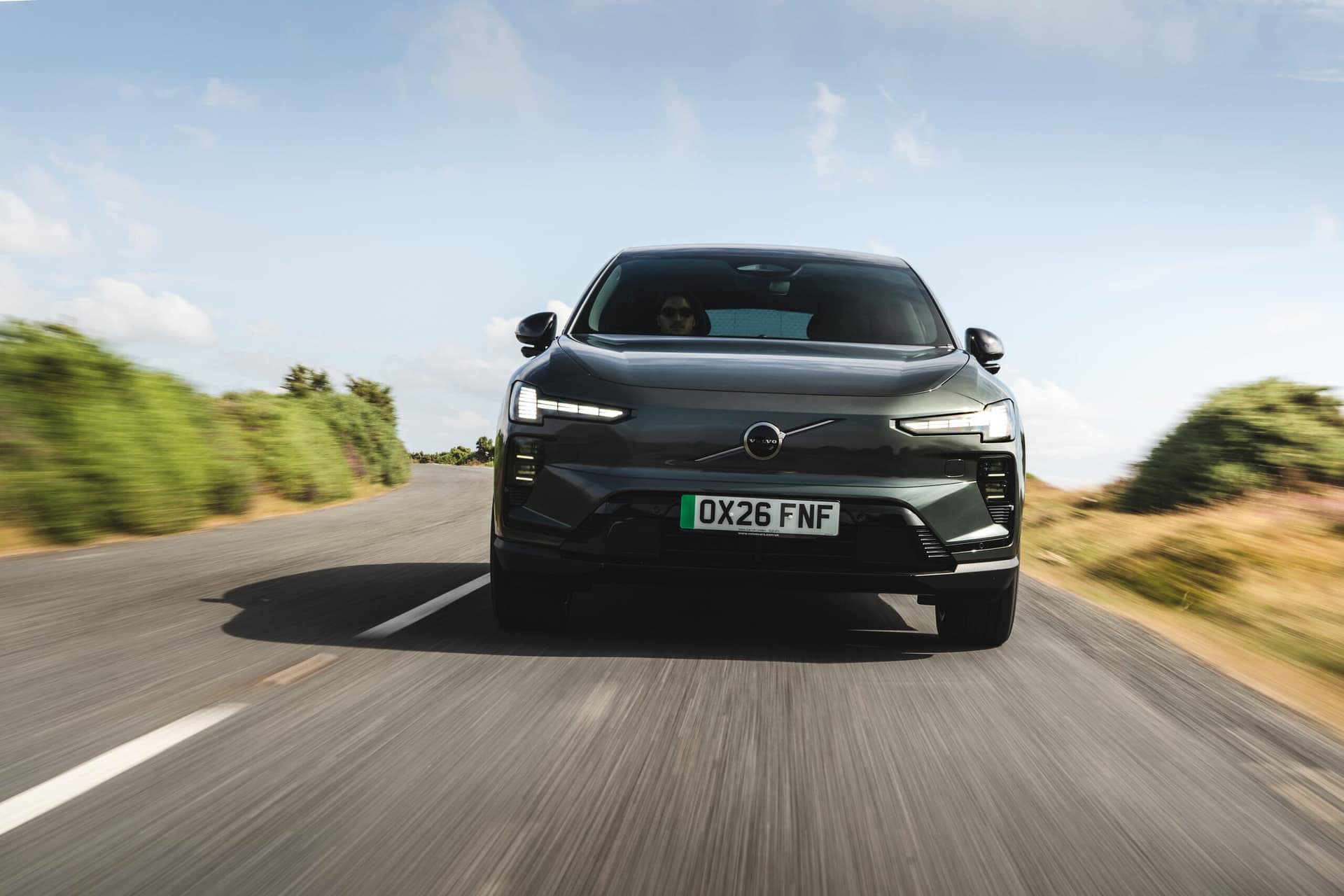
Obviously, finding a 400kW charger in the wild is another matter, but the important point is that the hardware is ready for it.
And this is one of the most important developments with the EX60. Volvo isn’t simply fitting an enormous battery and hoping for the best. The entire car has been engineered around efficiency.
The new SPA3 platform uses cell-to-body battery technology, meaning the battery isn’t simply a separate box bolted underneath the car. The cells form an integrated part of the vehicle structure, helping reduce weight and improve energy density.
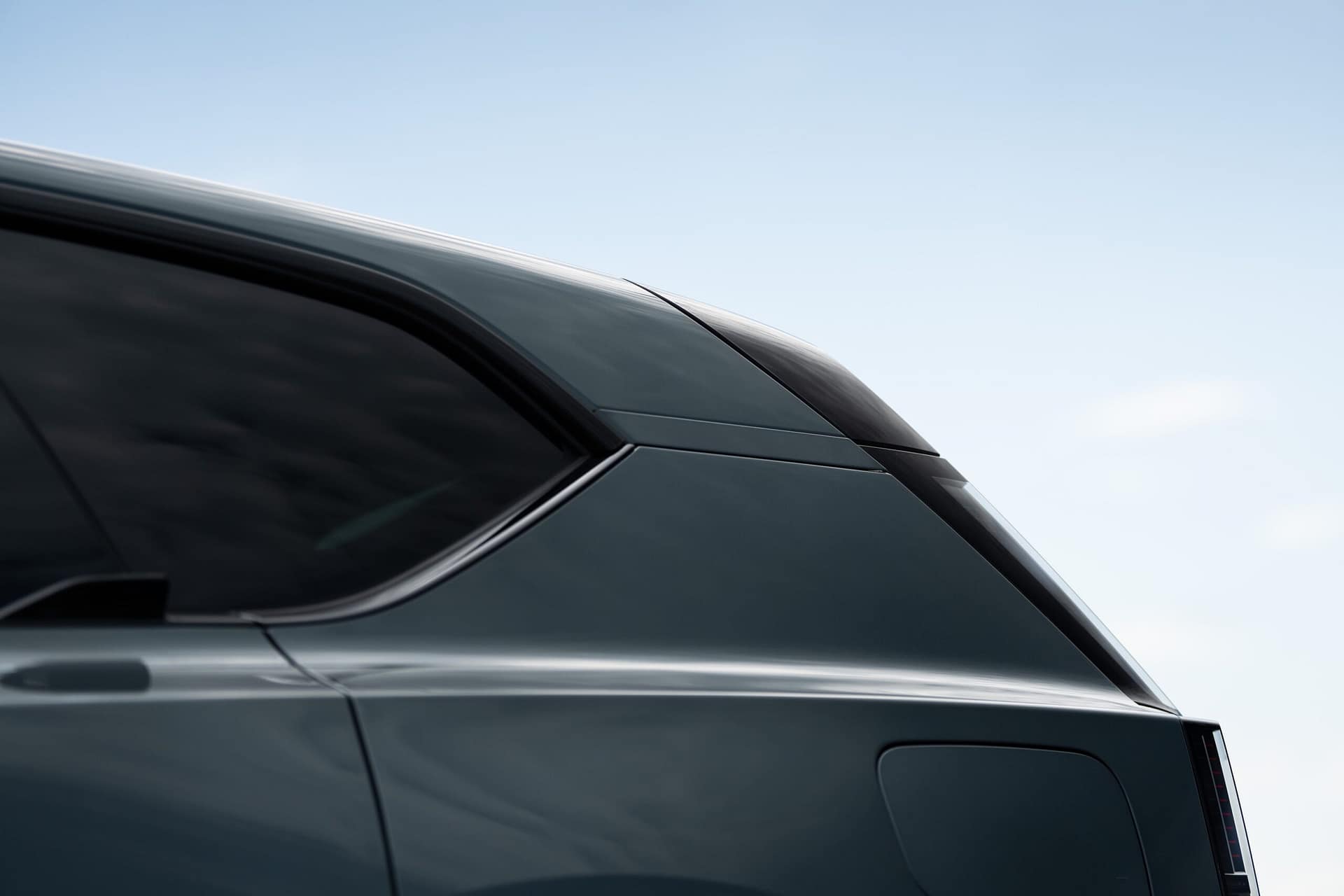
Volvo has also introduced new electric motors, revised cooling and power electronics as part of the new architecture.
It is the sort of engineering that isn’t particularly glamorous when you’re looking at a press release, but becomes extremely important when you’re sitting in the car 250 miles from home and realise you don’t need to stop and charge.
Google Gemini takes the wheel
Volvo has gone big on technology with the EX60, but thankfully it hasn’t simply filled the dashboard with screens for the sake of it.
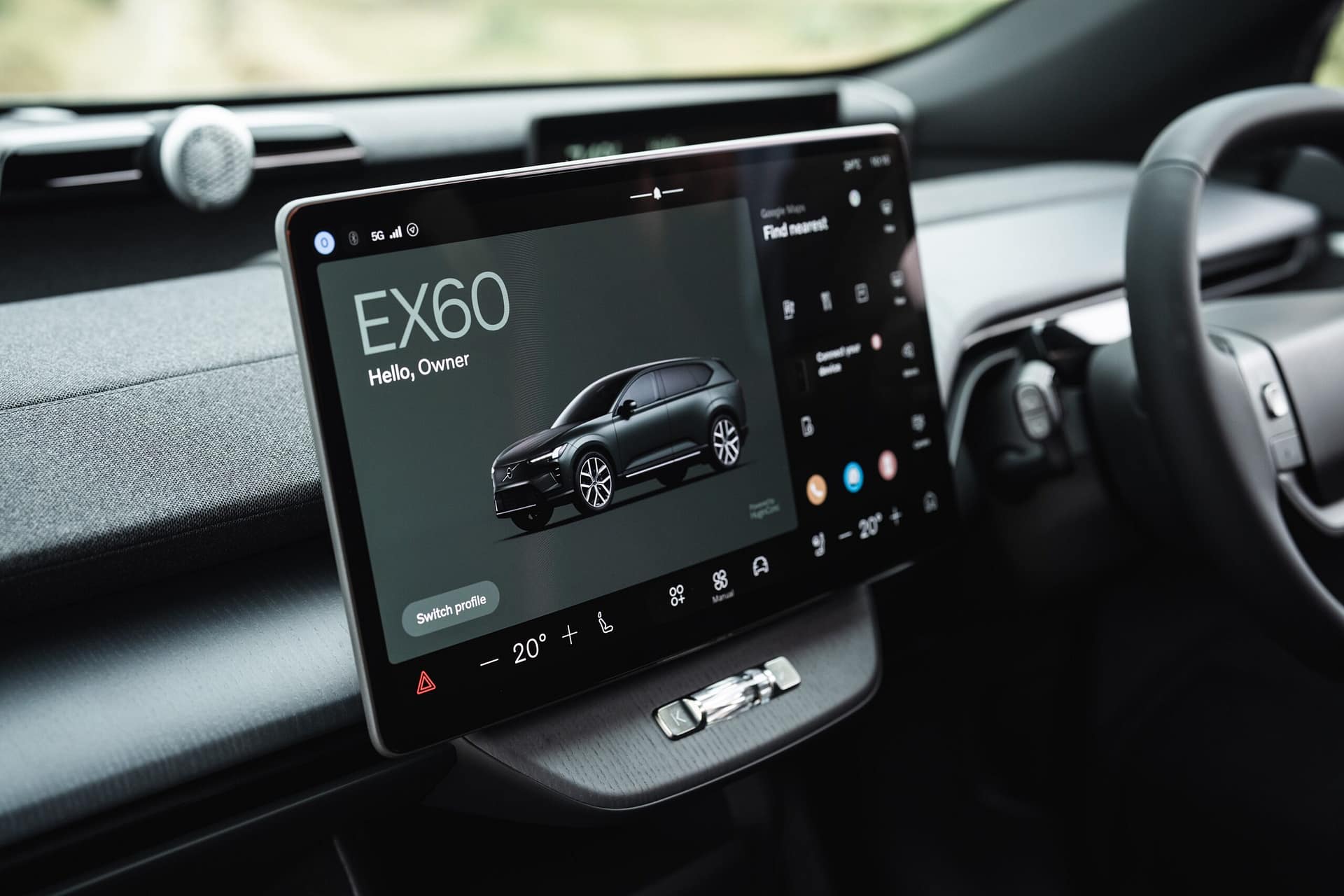
There is a large, landscape-oriented central touchscreen that handles the majority of the vehicle’s functions. That includes some things that would traditionally have been controlled by physical buttons, which may irritate some drivers. Personally, I found it pretty easy to navigate.
The interface uses a contextual control bar that keeps frequently required functions close at hand, while the underlying Google-powered software feels familiar rather than like another proprietary system that requires you to learn an entirely new language.
“The P10 is also impressively efficient for something this large and heavy”
Better still, especially if you love tech, the EX60 is the first Volvo to integrate Google’s Gemini AI assistant, and this is one area where the car feels genuinely different from the previous generation of connected vehicles.
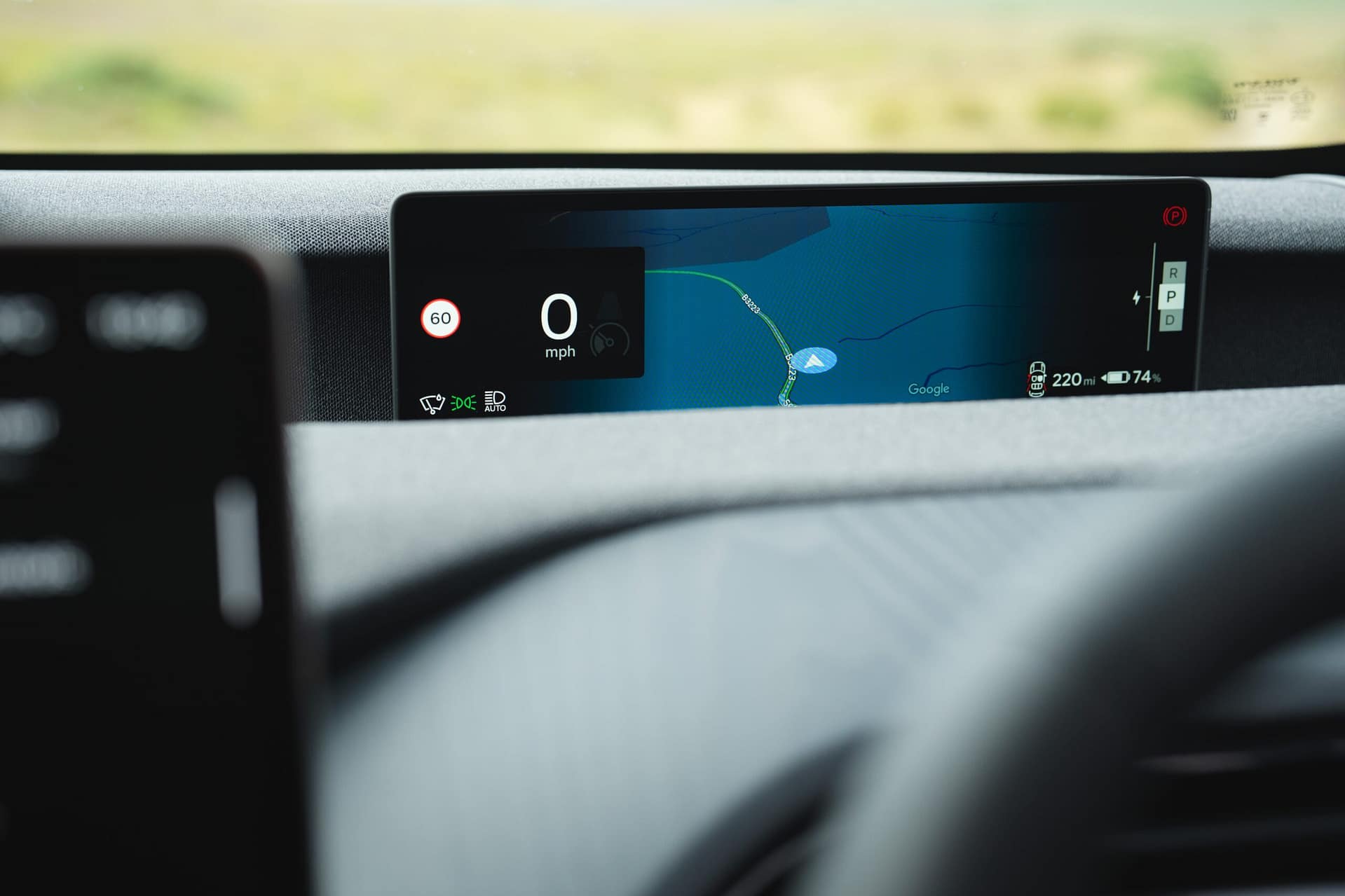
I asked it a series of questions while driving and it was able to understand conversational requests without requiring me to remember specific commands. Volvo says Gemini will also gain the ability to interact with other Google services in the near future, including Gmail and Google Drive, as the system evolves.
Underneath all of this is Volvo’s HuginCore computing platform, which brings together the car’s various systems and allows the EX60 to receive regular over-the-air updates. Volvo says this is its most responsive user experience yet, with faster screen responses, quicker map loading and improved voice recognition.
Effortless progress
With 510hp and 710Nm available from its twin electric motors, the EX60 can dispatch 0-62mph in 4.6 seconds. It’s not neck-snappingly fast but it feels brisk enough, especially when pulling away from the lights or joining a motorway from a slip road.
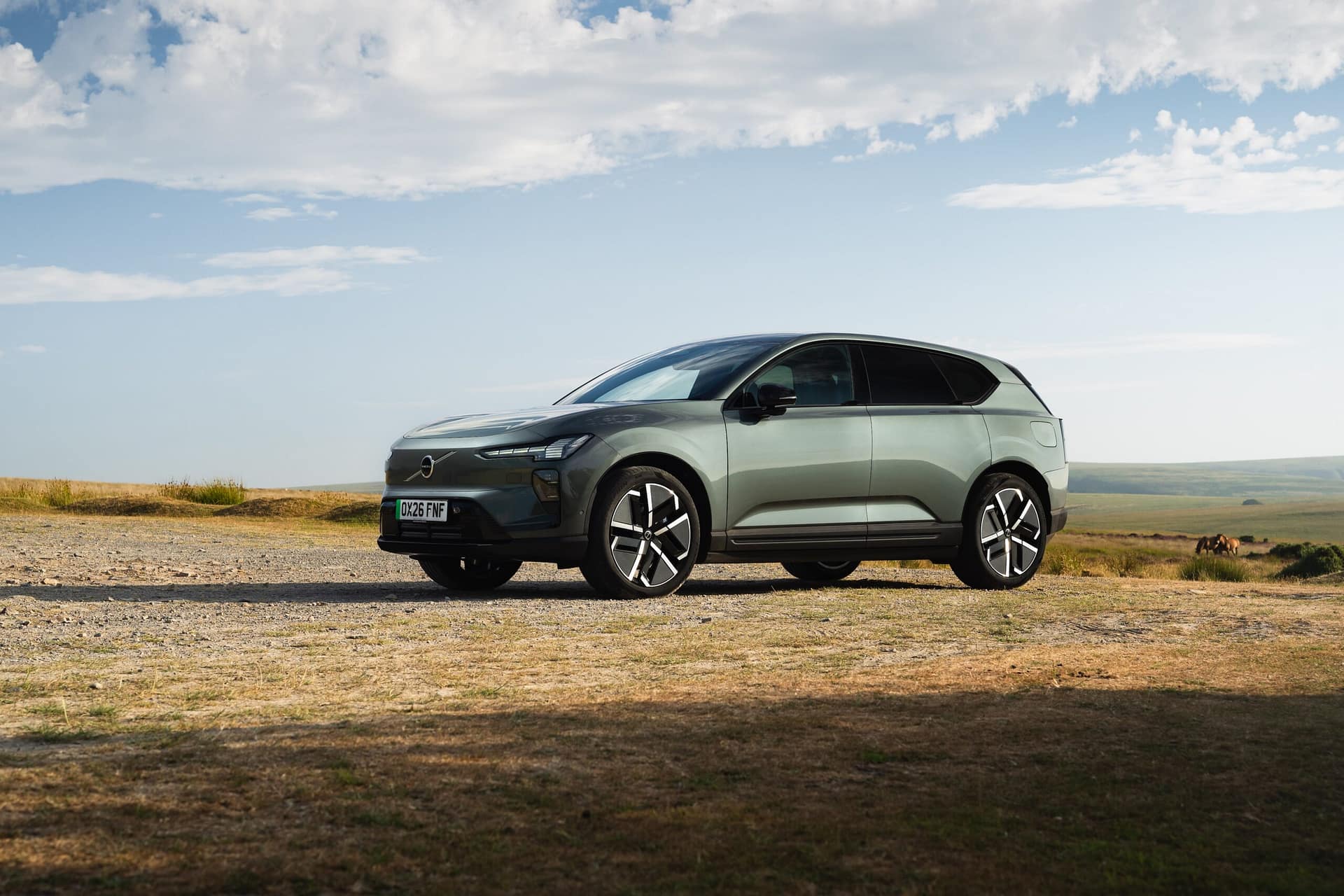
You can waft around town in near silence, listening to whatever Google thinks you should be listening to, then bury your right foot and find yourself travelling considerably faster than the local speed limit would recommend.
The all-wheel-drive system does a good job of putting that power down without drama. There is no sense of the front and rear motors fighting each other for traction; instead, the EX60 simply squats and fires itself towards the horizon.
But this isn’t really a car that begs to be driven hard. The steering is light and relatively remote, while the whole vehicle feels happier settling into a long, sweeping journey than being thrown into a sequence of tight bends.
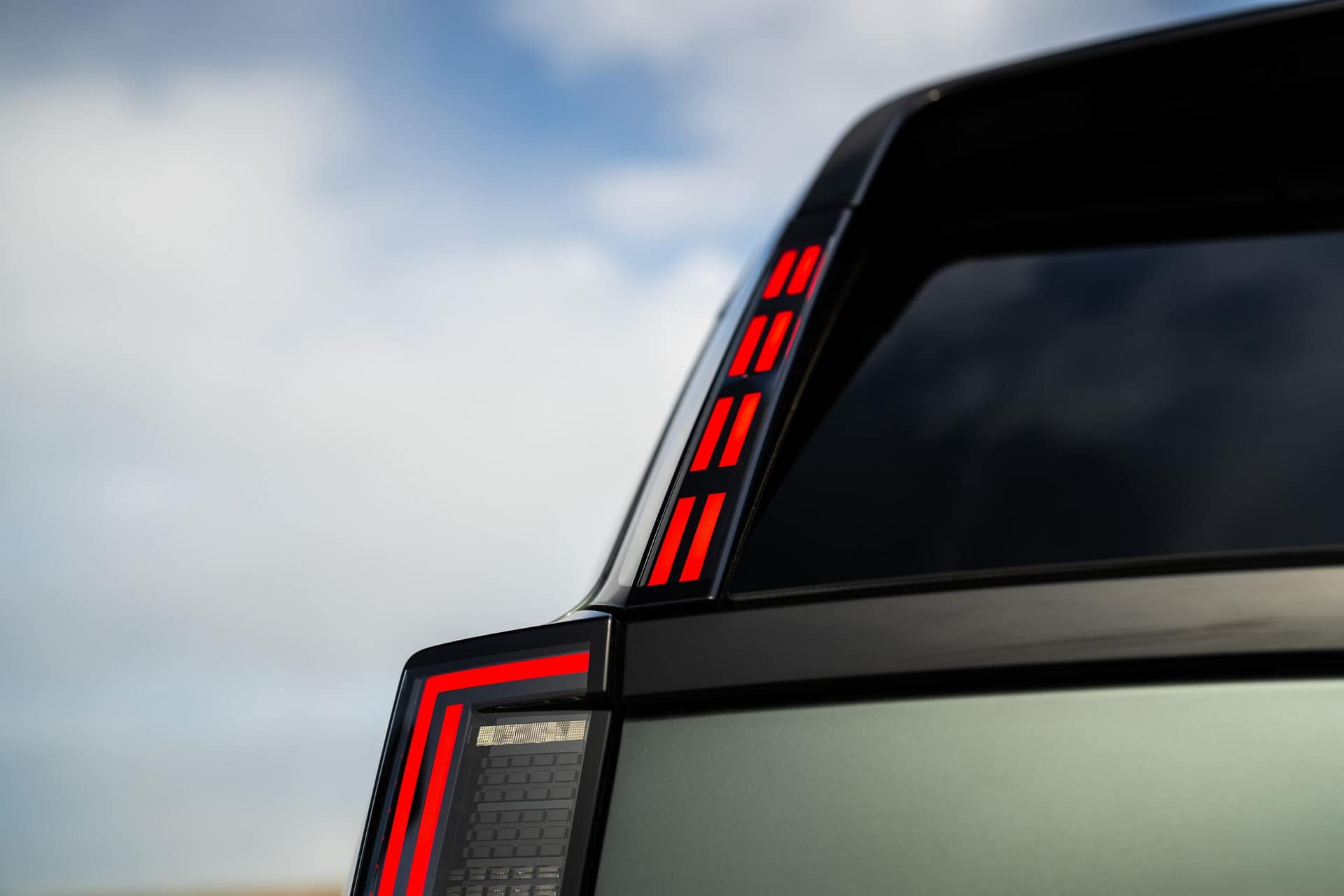
Volvo has made a conscious decision to prioritise comfort and composure, and that makes perfect sense when you consider what most people will actually use an EX60 for.
Still big on safety
It wouldn’t be a Volvo without a substantial dose of safety technology, and the EX60 brings some genuinely clever ideas to the party. The headline feature is the world’s first multi-adaptive safety belt.
“Volvo says Gemini will also gain the ability to interact with other Google services in the near future”
Rather than simply deploying the same restraint strategy for every occupant, the system uses sensors to understand more about the person sitting in the seat and can adjust belt tension accordingly in the event of a collision.
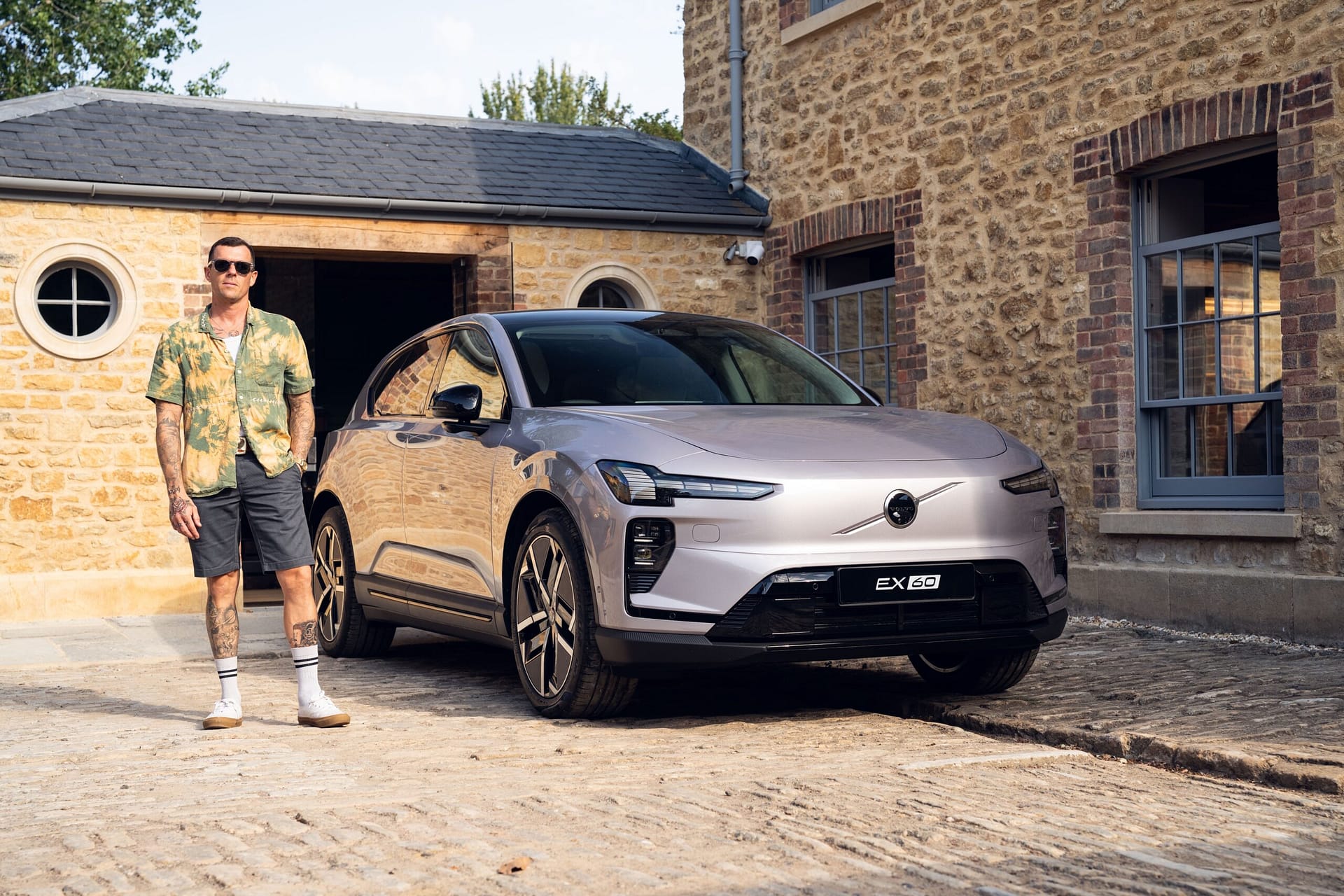
The EX60 also uses a large array of external sensors, including cameras, radar and ultrasonic sensors, to monitor its surroundings. Inside, cameras and infrared sensors to ensure pets and kids aren’t left behind.
Importantly, I found things like the driver fatigue monitor and speed limit assistance systems less intrusive than some of the increasingly twitchy ADAS technology fitted to modern cars.
There are still plenty of warnings and interventions, but they generally feel more considered than some of the electronic nannying I’ve experienced elsewhere.
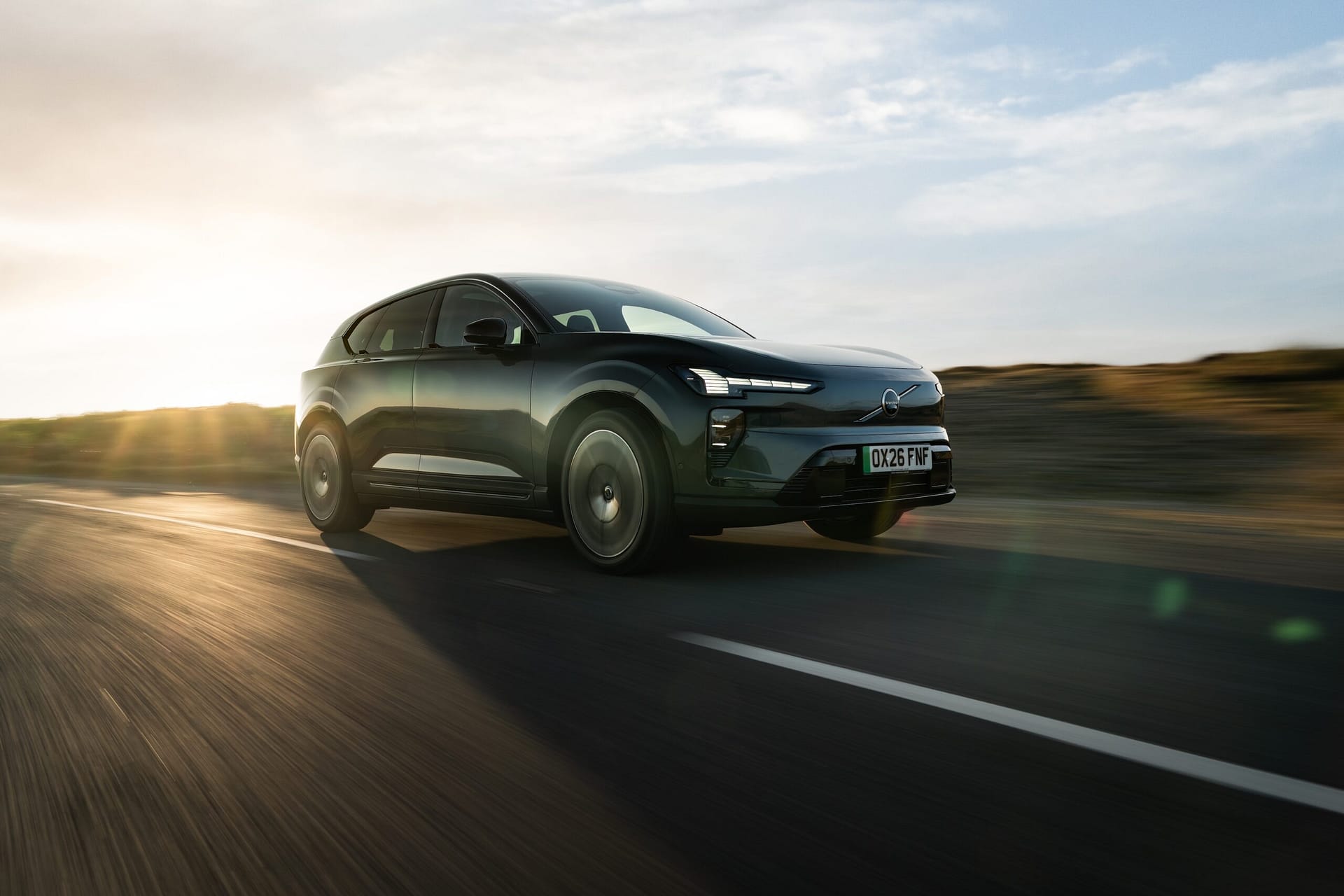
New kids on the block
The EX60 P10 AWD starts at around £59,860 in the UK, although the car I drove was positioned further up the range. Volvo’s UK configurator currently lists P10 Plus models from around £60,000, while Ultra versions push well into the £60,000s depending on specification.
That puts it squarely into premium territory, with the BMW iX3, Mercedes GLC Electric and Audi Q6 e-tron all vying for your attention. But the EX60 has a particularly compelling combination of talents.
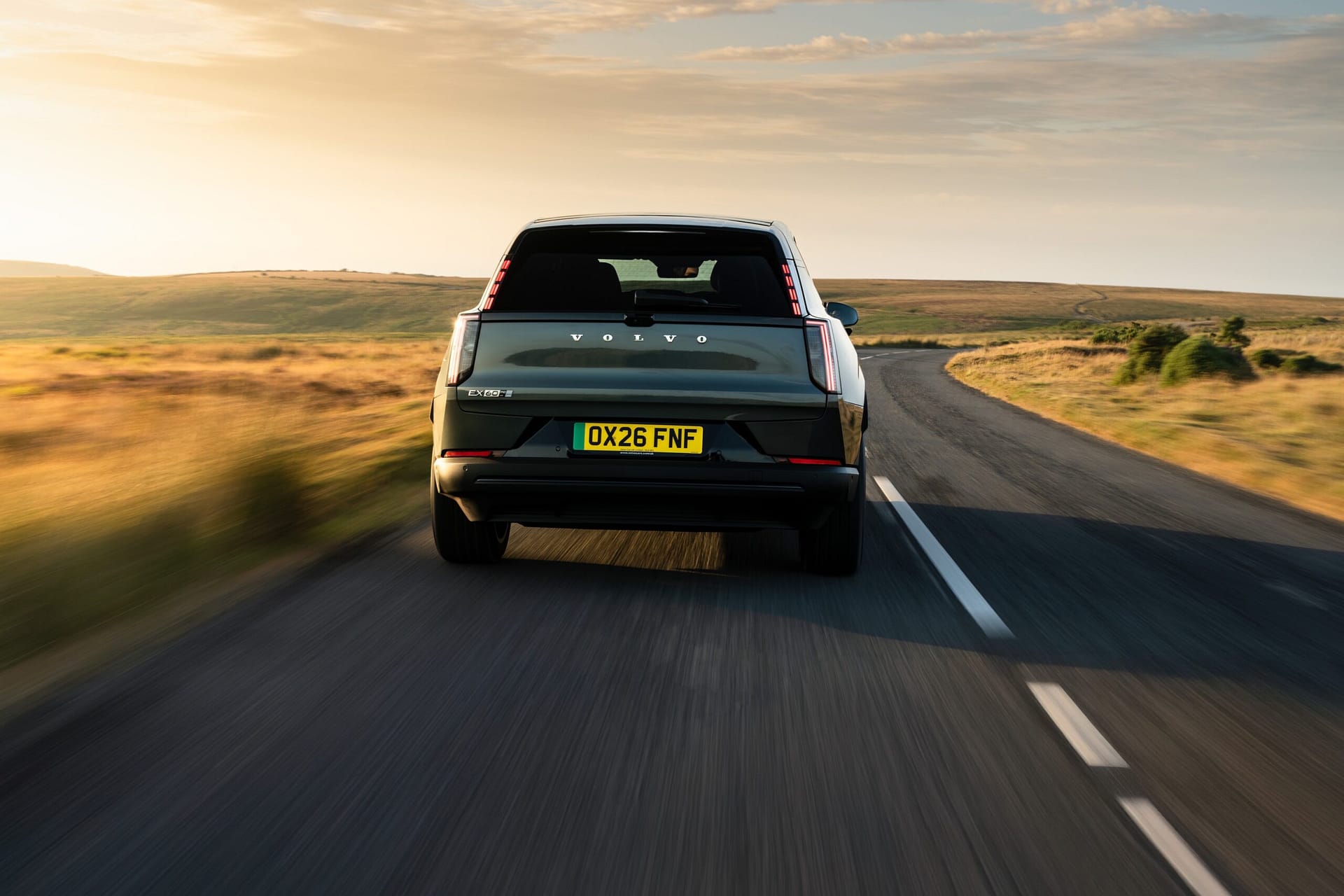
It isn’t the most engaging electric SUV I’ve driven, nor is it trying to be. Instead, it delivers an unusually broad spread of abilities: it is fast enough to embarrass plenty of sports cars, comfortable enough to swallow huge distances, spacious enough for family duties and packed with technology that genuinely feels useful.
The forthcoming P12 will inevitably grab the headlines with its 503-mile range and 680hp, but the P10 is arguably the sweet spot. It has more than enough performance, plenty of range and all-wheel drive without pushing the price into truly silly territory.
